Fit and floor come first
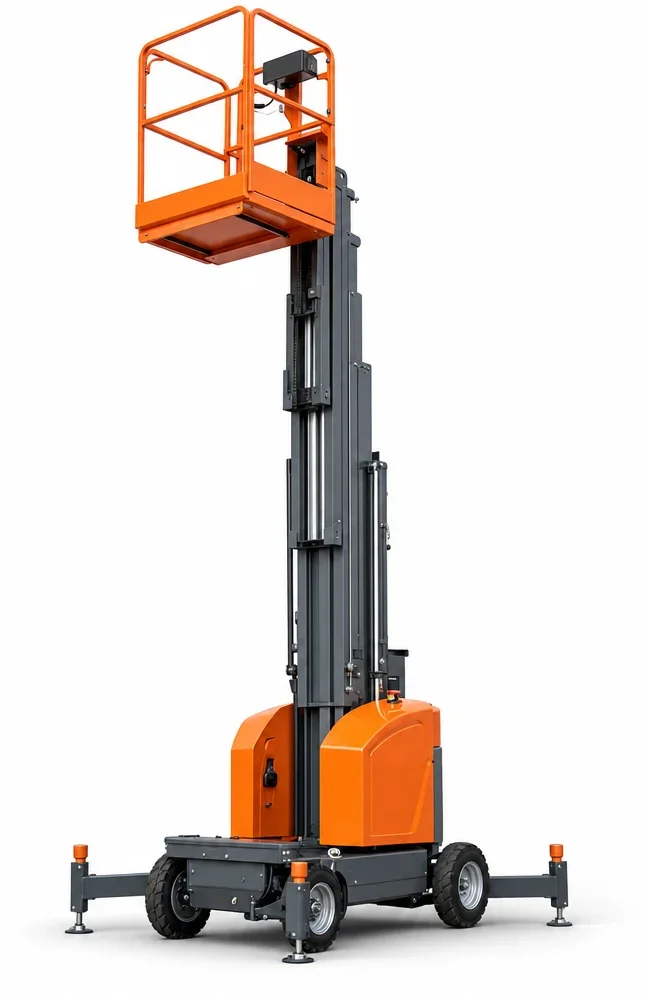
The decision starts with stowed width, platform height, and floor loading. Vertical masts offer small footprints and low ground pressure compared to many alternatives. Confirm: - Door, corridor, and elevator clearances from staging to work - Floor type and load limits, especially on preserved or finished surfaces - Required platform height vs. overhead obstructions
When they outperform scissors or booms
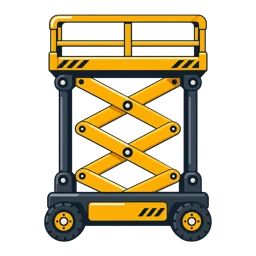
In tight aisles or among display fixtures, a mast lift’s compact chassis and precise steering reduce repositioning time. For straight-up slab work with frequent lateral moves, an /electric-scissor-lift-rental/ may carry more tools and offer larger platforms. Where up-and-over geometry is required, see /articulating-boom-lift-rental/.
Local conditions that matter
Savannah’s older buildings can include narrow entries, thresholds, and sensitive flooring where low-mass equipment reduces impact. In humid conditions, interior thresholds near exterior doors can be slick; route planning should consider transitions and turning space on finished floors.
Actual conditions, the selected unit’s instructions, and site procedures govern elevated work.
Common Savannah applications
- MEP, lighting, and signage inside narrow aisles
- Interior preservation tasks where surface protection is a priority
- Inventory management and light maintenance in confined rack zones
Route and staging
Plan staging in areas that respect preservation-sensitive surfaces. Verify turning radius in corridors, mezzanine access limits, and any need to coordinate passage through shared warehouse aisles or historic lobbies.