Start with the load and the run window
- Identify the largest simultaneous electrical draw. Motors, compressors, and battery chargers can spike higher than nameplate ratings.
- Define the expected runtime and refuel access. Night work near the river or long weekend outages on industrial sites can require larger tanks or staged refueling.
- Note indoor versus outdoor use. Ventilation and exhaust routing matter for enclosed spaces in local distribution buildings.
Site conditions that change the unit choice in Savannah
- Coastal soils: Soft or saturated ground near marshy areas can bog down wheeled light towers. Consider site access pads and total transport weight.
- Historic blocks: Narrow lanes and limited staging around multi-story preservation work favor compact, quiet sets with minimal footprint.
- Big interiors: Wide, polished slabs in warehouse aisles allow towable towers and cable runs, but ceiling heights and column spacing affect light placement.
Generator planning checkpoints
- Power quality: Sensitive restoration tools and interior lifts may call for tighter voltage regulation.
- Access route: Measure gate widths, curb heights, and slab thresholds from drop-off to final position.
- Noise envelope: Work near residential squares can push you toward quieter units and earlier daytime schedules.
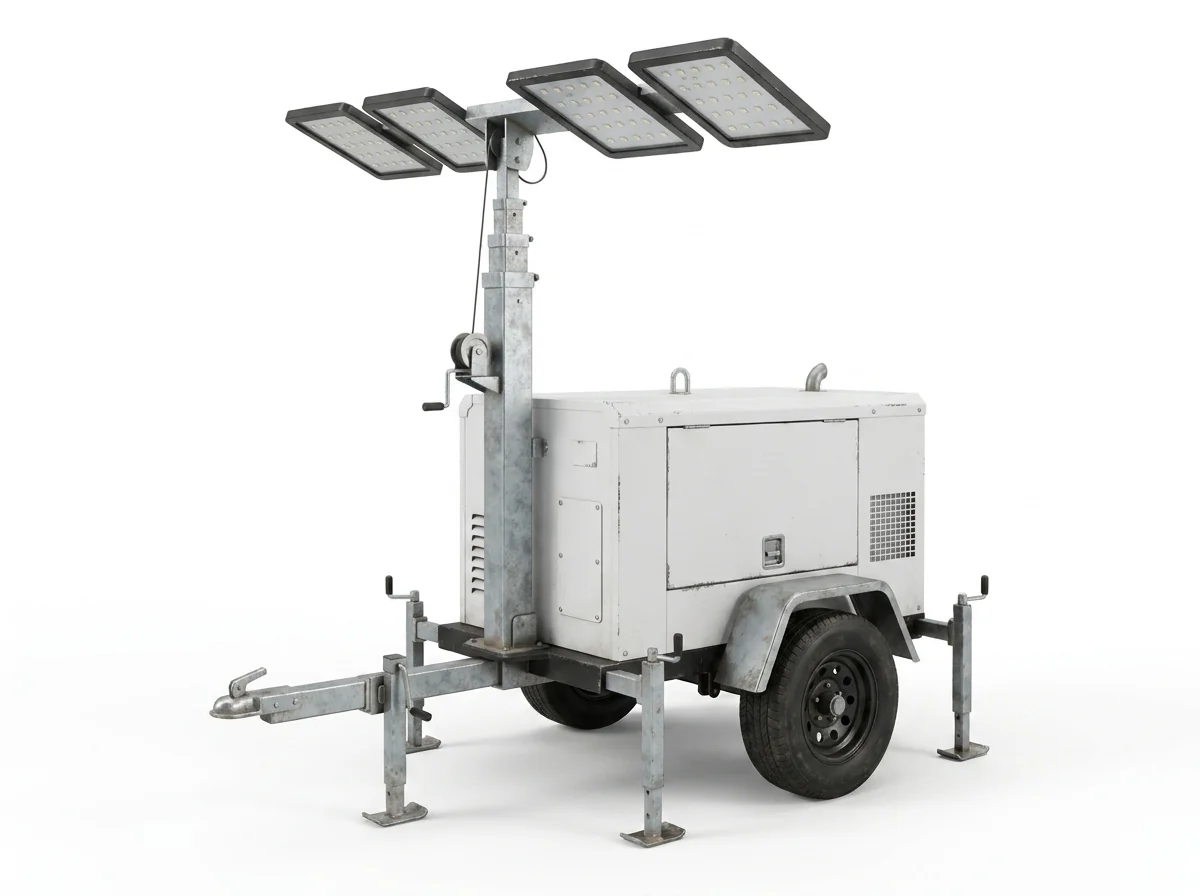
Light tower considerations for Savannah nights
- Coverage geometry: Map pole height against façade setbacks or racking aisles to reduce shadowing on multi-story work.
- Ground bearing: Verify the surface type—coquina drives, turf, or packed gravel behave differently after heavy rain.
- Wind exposure: Open industrial yards near the coast see gusty conditions; site-stability planning requirements vary by model and site procedure.
Coordinating with access equipment
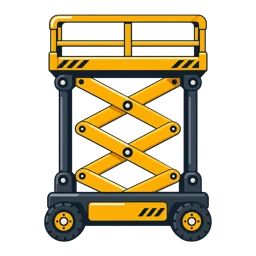
Where the light or generator must support aerial work, check: - Can the machine sit below the task without blocking lift paths? - Are there clear swing paths for booms or telehandlers after dark? Relevant comparisons: /electric-scissor-lift-rental/, /aerial-lift-rental/, and /boom-lift-rental/.
Actual conditions, the selected unit's instructions, and site procedures govern placement and operation, especially for exterior or overnight work.