Start with the placement geometry
- Can the truck align straight to set down, or is a turn required between trees, bollards, or brick walls?
- Measure the clear pad size and overhead space. Eaves, balconies, and live oaks reduce vertical clearance.
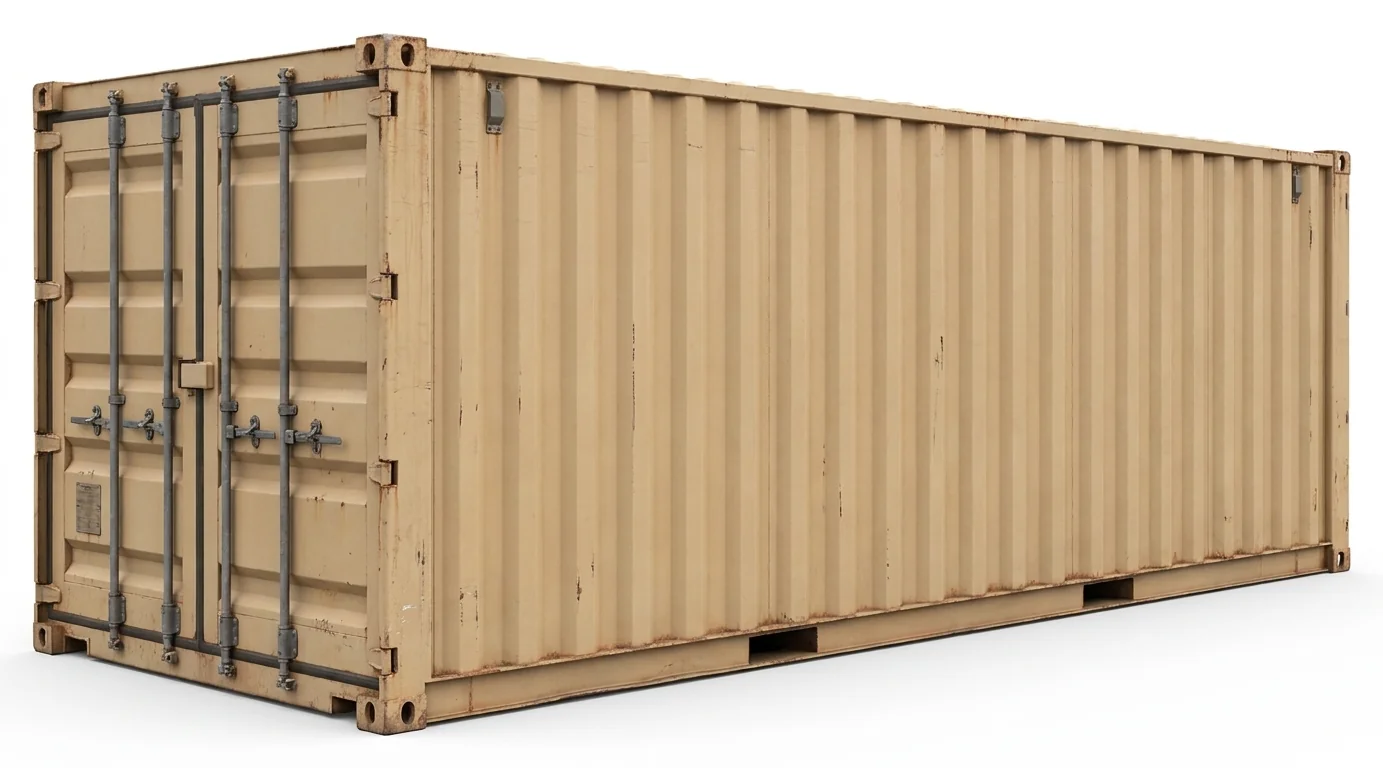
- Confirm door swing room. On narrow lanes, inward-opening space needs to avoid blocking lift routes.
Surface and bearing capacity
- Industrial slabs handle concentrated loads well; verify edge distances and expansion joints.
- Packed gravel or turf near coastal areas can soften quickly after rain. Calculate point loads under container corners and plan for dunnage where required by site procedure.
Weather and moisture resilience
- Wind-driven rain is common. Consider door orientation away from prevailing weather and plan for elevated placement if puddling is likely.
- For materials sensitive to humidity, ventilation style and gasket condition affect interior moisture.
Workflow inside active facilities
- In local distribution yards, containers should not intrude into trailer swing arcs or lift travel lanes.
- For preservation projects downtown, shorter units may fit better within alley setbacks while keeping sidewalks clear.
Coordinating with material handling and lifts
- Check aisle widths for /forklift-rental/ or /telehandler-rental/ access to the container doors.
- If staging parts for elevated work, align container doors with the approach path for /electric-scissor-lift-rental/ or /vertical-mast-lift-rental/.
Actual conditions, the selected unit's instructions, and site procedures govern siting and loading.