Load, lift, and aisle geometry
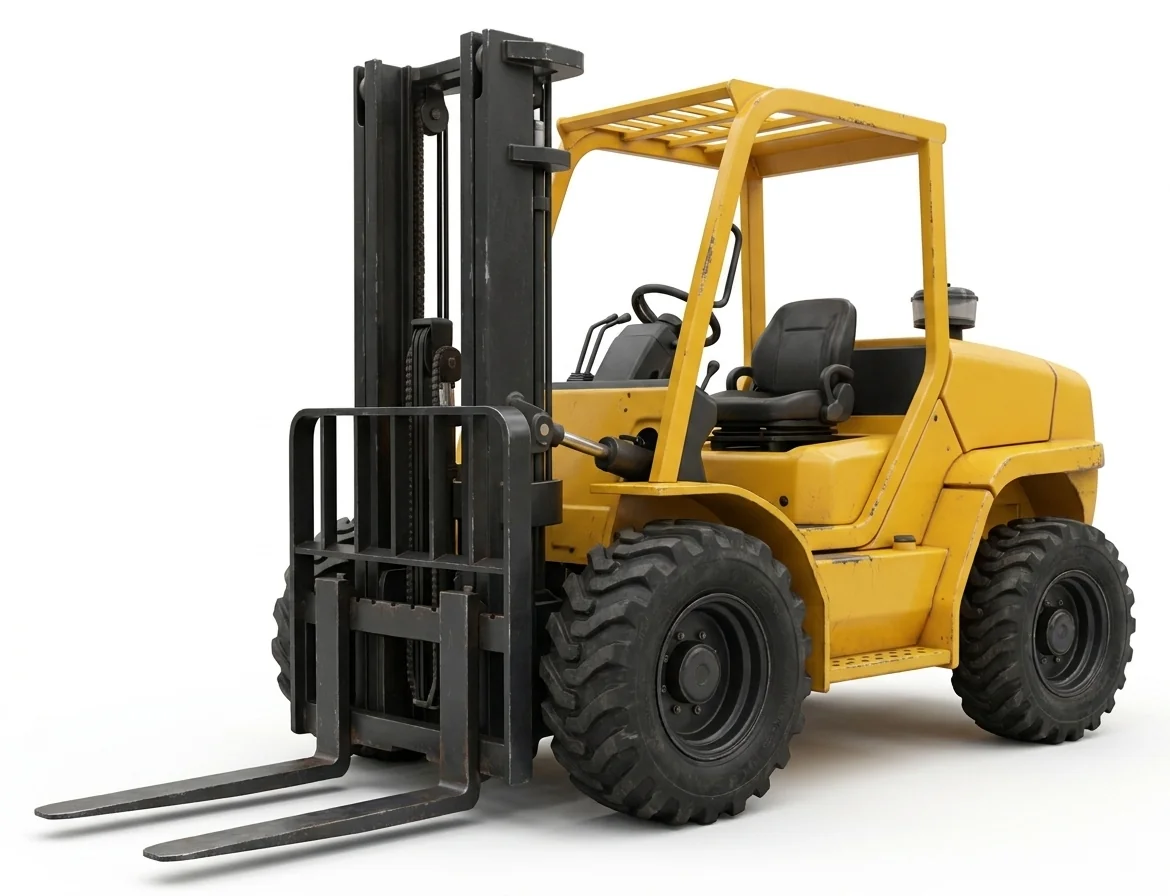
Start with the load weight, pallet dimensions, and lift height to top rack or staging. Then test those needs against aisle width and turning radius. Narrow-aisle layouts in local distribution buildings may require compact or specialized configurations. Check: - Minimum aisle width for a 90-degree stack - Overhead obstructions like sprinklers or conveyors - Floor conditions and thresholds at dock plates or interior ramps
Slab vs. exterior transitions
Forklifts are optimized for slabs. Short exterior moves across yards or historic paving introduce bumps, slope, and inconsistent surfaces. If the route goes beyond smooth slab, consider whether a /telehandler-rental/ or limited exterior support equipment is more appropriate for the rough sections, then return to forklifts indoors.
Power and tires in mixed-use spaces
Electric units reduce emissions and marking on finished floors. Cushion tires suit smooth interiors; pneumatic tires handle rougher transitions but increase turning radius and floor load. Verify door clearances and elevator or mezzanine access where applicable.
Actual operating limits, the selected unit’s instructions, and site procedures govern material handling. In humid coastal conditions, keep in mind condensation and slippery thresholds near dock doors.
Common Savannah applications
- High-throughput pallet handling in local distribution buildings
- Production line feeds with low overhead clearances
- Dock-to-rack transfers with frequent short turns
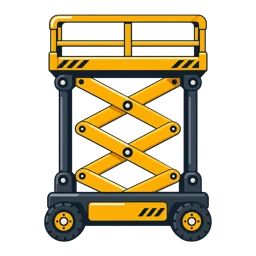
For elevated person access to racks or maintenance points, consider /vertical-mast-lift-rental/ or /electric-scissor-lift-rental/. For exterior placements to roofs or platforms, see /telehandler-rental/.